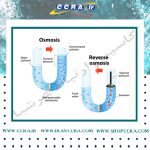
تصفیه آب اسمز معکوس


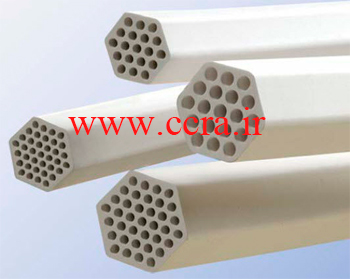
فرایندهای غشایی اسمز معکوس براساس اندازه کوچکترین ذره که تحت تاثیر نیروی فشار از غشاء عبور می نماید عبارتند از:
- میکروفیلتراسیون، اولترافیلتراسیون، نانو فیلتراسیون، هایپر فیلتراسیون یا اسمز معکوس
- ویژگی های اصلی در انتقال که توسط غشاء عمل می شودعبارتند از:
- نفوذ پذیری یا تراوایی
- انتخاب گری یا گزینش پذیری

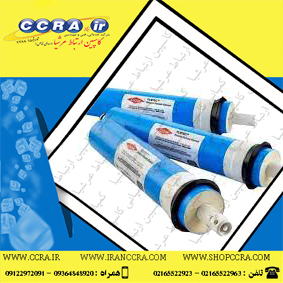
تمامی موادی که به عنوان غشاء اسمز معکوس عمل می نمایند، دارای ویژگی عبور مواد مختلف به طور انتخابی هستند. تصفیه آب اسمز معکوس یکی از شیوه های گسترده جداسازی است که کاربری های مختلفی دارد شیرین سازی آب دریا، جداسازی مواد آلی و سمی از پساب های صنعتی دو مورد مهم استفاده از این تکنولوژی است.
دسته بندی غشا های اسمز معکوس براساس اندازه حفره ها:
- حفره های بزرگ : غشاهایی که اندازه متوسط حفره های آن بیش از 20nm است.
- حفره های متوسط: غشاهایی که اندازه متوسط حفره های آن بین 20-1nm می باشد.
- حفره های کوچک: غشاهایی را شامل می شوندکه اندازه متوسط حفره های آن کمتر از 1 nm است.
The reverse osmosis membrane processes based on the size of the smallest particle that can pass through the membrane under the influence of pressure force include
Microfiltration, ultrafiltration, nanofiltration, hyper-filtration or reverse osmosis
The main features of the transfer by the membrane acts Shvdbartnd of
Porosity or permeability
Selectivity or selectivity
All materials that act as reverse osmosis membrane, a different passage of the features are optional. Reverse osmosis is a separation of different land use practices are widespread desalination of sea water, remove organics and toxic industrial effluents two most important advantage of this technology
Categories based on reverse osmosis membrane pore size
Large holes: membranes medium sized holes it is more than 20nm
Average holes: membranes which are medium size holes between 20-1nm
Tiny holes: membranes comprise less than 1 nm is collapsed medium-sized holes